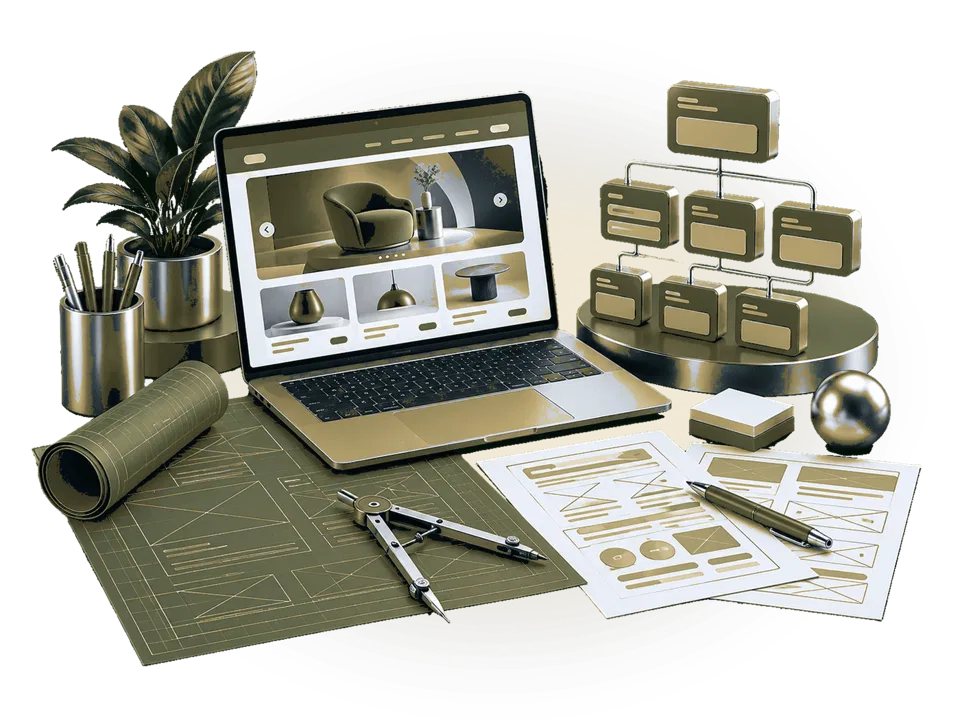
Keep a self-built website deliberately manageable
When building your own site, start with the smallest version that supports the main purpose. Use a consistent page structure and resist adding features that you cannot maintain. Prepare content and images before spending time on decorative details. A hypothetical solo consultant may need a clear offer, a few useful examples and a dependable enquiry route rather than a complex portal. Choose a platform whose ordinary editing tasks you can perform confidently. Keep domain and account ownership under your control. Review the site with someone unfamiliar with the business so unclear assumptions become visible before launch.
Choose a platform around editing and functionality
Platform choice should follow the website's requirements. Consider who will edit content, which integrations are needed and how ownership or export works. A convenient visual editor may suit a straightforward site but not every complex workflow. Conversely, a custom build can create unnecessary maintenance demands for a simple project. A hypothetical shop needs catalogue and fulfilment decisions considered alongside appearance. Test one representative content update and one important customer task before committing to a platform. Include subscriptions and support needs in the decision. The best fit is the system the business can operate reliably, not the one with the most impressive feature list.
Prepare content before polishing layouts
Collect approved business facts, product or service information, images and contact details early. Draft the main message and supporting points before choosing a final composition. Real content exposes layout requirements that placeholder text hides, such as long titles or complex comparison details. A hypothetical service page may need a process explanation and a short brief form, not another decorative image panel. Keep ownership of factual review clear. Design can improve hierarchy and readability, but it cannot reliably fill gaps in the business information. A content inventory also reveals which existing URLs and useful material should be preserved during a rebuild.
Design both completion and recovery
A form needs more than empty fields and a submit button. Explain what information is needed, mark required items and provide useful validation. Preserve entered values when an error occurs. The pending state should discourage accidental repeated submissions, and the success message should distinguish receipt from later acceptance or booking. A hypothetical quotation form can retain the selected product so the visitor does not have to type it again. Test missing information and an invalid address as well as a successful submission. Keep sensitive information out of general forms unless the workflow and handling have been properly designed for it.
Prepare the release as part of the design project
Launch preparation should cover the domain, HTTPS, page routes, contact handling and rollback arrangements. If the new site replaces an old one, compare the important URLs and plan suitable redirects. Check that public pages contain final content and that preview or demonstration pages are not exposed as finished work. A hypothetical launch test should include a real route from homepage to enquiry and a verified confirmation at the receiving system where authorised. Keep the previous version available for recovery. Publication is not complete merely because files uploaded successfully; the public result should be inspected and the business should know how to report an issue.
Discuss the work with SEO Agency Pretoria
For appointment-led teams, we connect service information to booking requirements, response expectations and realistic travel coverage. For business-to-business firms, we focus on procurement questions, service scope and the information a buyer needs before requesting a proposal.
Send the relevant requirements to info@seoagencypretoria.co.za. We will confirm scope, availability and the appropriate next step before work is agreed.
Sources and further reading
Related questions
Continue with web design agency, local web design and wix web page design for the related decisions in your brief.